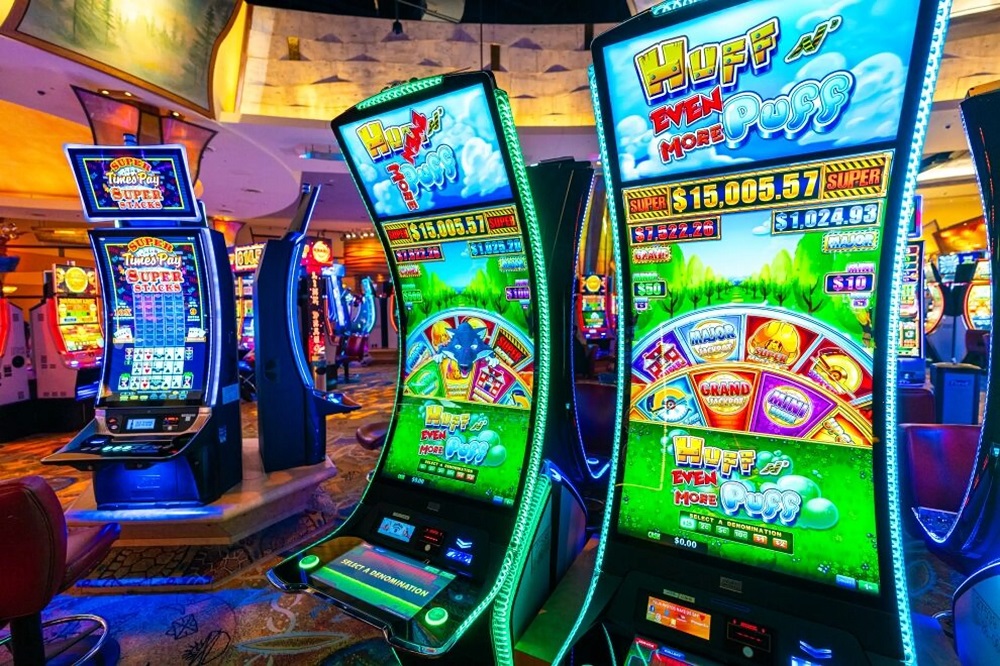
The gambling industry has changed dramatically over the past decade. What was once centered on traditional table games and mechanical slot machines has evolved into an experience-driven environment powered by technology. At the heart of this shift lies gamification—the integration of game-like elements such as rewards, levels, achievements, and competitions into non-game contexts.
Modern casinos, both physical and online, have embraced gamification as a strategy to boost engagement, increase retention, and enhance player satisfaction. The approach transforms gambling into an immersive journey rather than a simple wager-and-win transaction.
What Is Gamification in the Casino Context?
Gamification refers to adding interactive mechanics commonly found in video games to traditional casino platforms. These mechanics do not replace core gambling activities; instead, they enhance them.
In casinos, gamification often includes:
-
Points systems for every bet placed
-
Tiered loyalty programs with unlockable perks
-
Leaderboards that rank players
-
Achievement badges for completing challenges
-
Daily missions and limited-time events
-
Progress bars that track milestones
These features introduce structure and progression, giving players goals beyond immediate monetary wins.
The Psychology Behind Its Popularity
Gamification thrives because it taps into fundamental human motivations.
1. Reward Anticipation
Humans are wired to respond to rewards. Earning points, unlocking levels, or completing challenges triggers dopamine release—the same neurological response associated with achievement and excitement. Even small digital rewards can feel meaningful.
2. Progress and Mastery
Seeing visible progress—such as leveling up—creates a sense of accomplishment. Players are not just gambling; they are advancing within a system. This perception of growth increases emotional investment.
3. Social Competition
Leaderboards and tournaments foster healthy competition. Players compare rankings and strive to outperform others, which keeps them active for longer periods.
4. Personalization
Gamified systems often adapt to user behavior. Tailored offers, challenges, and milestone rewards make the experience feel individualized rather than generic.
How Online Casinos Benefit Most
While land-based casinos have long used loyalty programs, online platforms have accelerated gamification’s growth. Digital environments allow for seamless tracking of player activity and real-time reward distribution.
Key advantages for online casinos include:
-
Higher retention rates due to ongoing missions and seasonal events
-
Increased session duration from achievement-based incentives
-
Enhanced player data insights through tracked engagement patterns
-
Cross-device engagement, allowing players to continue progress anywhere
Online systems can instantly update levels, award bonuses, or introduce flash competitions—something physical casinos cannot easily replicate.
Real-World Gamification Strategies
Many modern casino platforms implement structured ecosystems resembling role-playing games.
Common strategies include:
-
VIP Tier Systems
Bronze, Silver, Gold, and Platinum tiers unlock progressively better benefits. -
Daily Login Rewards
Encourages consistent platform visits. -
Tournament-Based Slots
Compete for leaderboard positions based on score rather than winnings alone. -
Collectible Rewards
Digital badges, trophies, or themed event tokens. -
Seasonal Campaigns
Limited-time missions with exclusive prizes.
These elements transform gambling into a continuous narrative rather than isolated bets.
Gamification and Responsible Gambling
Although gamification enhances engagement, responsible implementation is critical. Ethical casino operators integrate safeguards such as:
-
Deposit limits
-
Reality checks
-
Self-exclusion tools
-
Transparent bonus terms
When structured responsibly, gamification can focus on entertainment value rather than excessive spending.
The Role of Mobile Technology
The rise of smartphones significantly accelerated gamification in casinos. Mobile apps support push notifications, instant achievements, and interactive dashboards.
Mobile-first casinos can:
-
Deliver real-time challenge alerts
-
Offer location-based promotions
-
Integrate social sharing features
-
Provide quick access to loyalty dashboards
This accessibility strengthens habit formation and continuous interaction.
Data-Driven Personalization
Modern casinos rely heavily on analytics. Gamified systems collect behavioral data to refine player experiences.
Through data insights, casinos can:
-
Recommend games aligned with player preferences
-
Adjust difficulty or mission types
-
Offer targeted bonuses
-
Identify high-risk behaviors for intervention
This blend of analytics and engagement design makes gamification both strategic and measurable.
Why Players Prefer Gamified Casinos
From a user perspective, gamification introduces layers of enjoyment beyond financial outcomes.
Players appreciate:
-
Entertainment depth beyond pure chance
-
A sense of progression and achievement
-
Community participation via competitions
-
Frequent micro-rewards
-
Enhanced immersion through themes and storytelling
The casino becomes an interactive platform rather than a static environment.
The Future of Gamification in Casinos
Emerging technologies are set to expand gamification further. Artificial intelligence, augmented reality, and blockchain-based rewards are already influencing next-generation platforms.
Future developments may include:
-
AI-driven adaptive challenges
-
Virtual reality casino worlds
-
Tokenized loyalty rewards
-
Cross-platform progression systems
As competition in the gambling market intensifies, gamification will remain a central strategy for differentiation and user loyalty.
FAQ
1. Does gamification increase a player’s chances of winning?
No. Gamification enhances engagement and rewards participation, but it does not alter the underlying odds of casino games.
2. Are loyalty tiers the same as traditional casino rewards cards?
They serve a similar purpose, but modern tier systems are more interactive, often featuring visible progress tracking and milestone achievements.
3. Is gamification only used in online casinos?
No. Physical casinos also use gamified loyalty programs and tournament-style events, though digital platforms implement them more extensively.
4. Can gamification encourage excessive gambling?
It can if poorly designed. Responsible operators incorporate spending limits and transparency measures to protect players.
5. What types of games benefit most from gamification?
Slot games, live dealer tournaments, and interactive table games tend to integrate gamified elements most effectively.
6. Do players need special skills to benefit from gamified systems?
No. Most systems reward participation and consistency rather than advanced strategy.
7. Is gamification likely to become standard in all casinos?
Given its impact on retention and engagement, gamification is increasingly becoming a standard feature across modern casino platforms.