
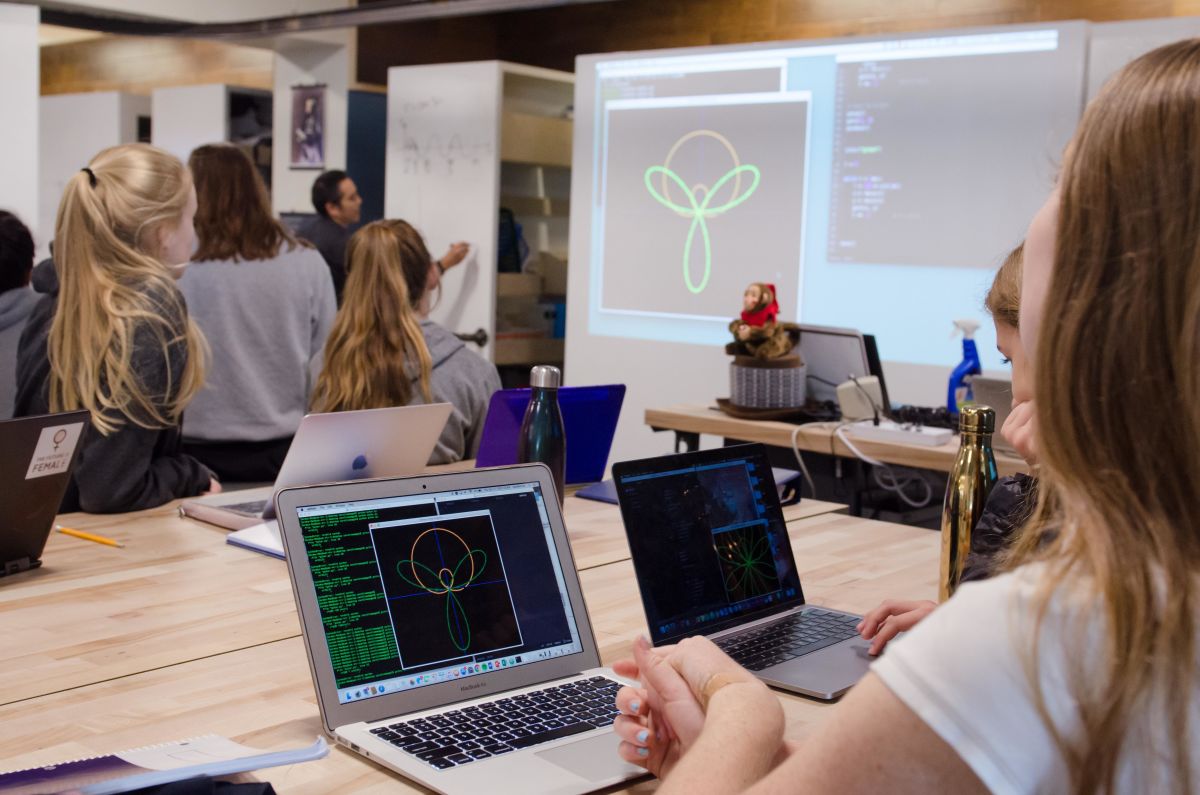
Science, Technology, Engineering, and Mathematics—collectively known as STEM—form the backbone of modern innovation. From artificial intelligence and renewable energy to medical breakthroughs and space exploration, STEM disciplines shape the way we live and work. As industries evolve at a rapid pace, STEM education has become a critical pathway to future-ready careers.
What Is STEM Education?
STEM education integrates four core disciplines:
-
Science – Understanding natural laws and phenomena
-
Technology – Applying knowledge through digital tools and systems
-
Engineering – Designing and building practical solutions
-
Mathematics – Analyzing data and solving complex problems
Rather than teaching these subjects in isolation, STEM education emphasizes interdisciplinary learning. Students apply concepts to real-world challenges, developing both technical knowledge and practical skills.
Why STEM Education Matters in Today’s Economy
1. Growing Demand for STEM Professionals
Global labor markets increasingly prioritize STEM-related roles. Careers in data science, cybersecurity, biotechnology, renewable energy, and software development are expanding faster than many traditional occupations. Employers seek individuals who can navigate digital systems, interpret data, and design innovative solutions.
According to workforce projections in many developed countries, STEM occupations are expected to grow significantly over the next decade, often offering higher-than-average wages and stronger job security.
2. Drives Innovation and Economic Growth
Technological advancement fuels economic competitiveness. Nations that invest in STEM education cultivate innovators who:
-
Develop new technologies
-
Improve healthcare systems
-
Advance infrastructure
-
Strengthen cybersecurity
-
Create sustainable energy solutions
A workforce skilled in STEM disciplines supports entrepreneurship and attracts investment.
3. Builds Critical 21st-Century Skills
STEM education nurtures abilities that extend beyond technical knowledge. Students develop:
-
Analytical thinking
-
Problem-solving skills
-
Creativity and innovation
-
Collaboration and teamwork
-
Adaptability in changing environments
These transferable skills are valuable in nearly every profession—even those not traditionally classified as STEM careers.
The Connection Between STEM and Emerging Careers
Automation, artificial intelligence, and digital transformation are reshaping job markets. Many emerging roles require STEM foundations, including:
-
Data analysts
-
Machine learning engineers
-
Robotics specialists
-
Environmental scientists
-
Biomedical engineers
-
Cloud computing architects
Even industries such as finance, agriculture, education, and marketing increasingly rely on data-driven decision-making and technological tools.
Without STEM literacy, individuals may struggle to compete in a workforce defined by technological integration.
Encouraging Early Exposure to STEM
Introducing STEM concepts at a young age can spark long-term interest and confidence. Early exposure:
-
Reduces anxiety around math and science
-
Builds curiosity and experimentation habits
-
Promotes gender and diversity inclusion in technical fields
-
Encourages career exploration before college
Hands-on learning—such as robotics clubs, coding workshops, science fairs, and engineering projects—makes abstract concepts tangible and engaging.
Bridging the Skills Gap
Many industries report a shortage of qualified STEM professionals. Strengthening STEM education helps address this gap by:
-
Aligning curricula with industry needs
-
Expanding vocational and technical training
-
Supporting mentorship and internship programs
-
Encouraging lifelong learning and upskilling
Educational institutions and employers must collaborate to ensure that graduates possess relevant, practical competencies.
STEM Beyond Traditional Careers
While STEM is often associated with laboratories or tech companies, its influence extends further. Creative industries, public policy, healthcare administration, and environmental advocacy all benefit from data analysis, research skills, and technological understanding.
For example:
-
Artists use digital design software and coding.
-
Journalists analyze large datasets for investigative reporting.
-
Entrepreneurs rely on analytics to refine business strategies.
STEM literacy empowers individuals to innovate across disciplines.
Promoting Diversity in STEM Fields
Inclusive STEM education strengthens innovation. Diverse perspectives contribute to more comprehensive solutions and equitable technological development. Encouraging participation from underrepresented groups requires:
-
Accessible educational resources
-
Supportive mentorship networks
-
Scholarships and financial aid
-
Representation in leadership roles
Expanding access ensures that future industries reflect broader society.
Preparing for an Uncertain Future
The future of work is unpredictable. Many jobs that will exist in the next 20 years have yet to be created. STEM education equips learners with adaptable skills that remain relevant despite technological shifts.
Instead of training students for a single career path, STEM prepares them to:
-
Learn continuously
-
Transition between industries
-
Solve new types of problems
-
Innovate responsibly
This adaptability is essential in a rapidly evolving global economy.
Frequently Asked Questions (FAQ)
1. Is STEM education only beneficial for students pursuing technical careers?
No. STEM skills such as critical thinking, analytical reasoning, and data interpretation are valuable in business, law, healthcare, and creative fields.
2. At what age should students start learning STEM concepts?
Early exposure in elementary school is beneficial. Foundational math and science skills, combined with hands-on activities, help build confidence and curiosity.
3. How does STEM education impact earning potential?
STEM-related careers often offer competitive salaries due to high demand and specialized skill requirements.
4. What role do soft skills play in STEM careers?
Communication, teamwork, and adaptability are essential. Technical expertise alone is insufficient without the ability to collaborate and explain complex ideas.
5. How can schools improve STEM engagement?
Schools can integrate project-based learning, partner with industry professionals, provide access to technology, and support extracurricular STEM programs.
6. Does STEM education contribute to entrepreneurship?
Yes. Many startups emerge from STEM innovation, including tech platforms, biotech solutions, and renewable energy ventures.
7. How can parents support STEM learning at home?
Parents can encourage curiosity through science kits, coding games, educational documentaries, problem-solving challenges, and open discussions about technology and innovation.


