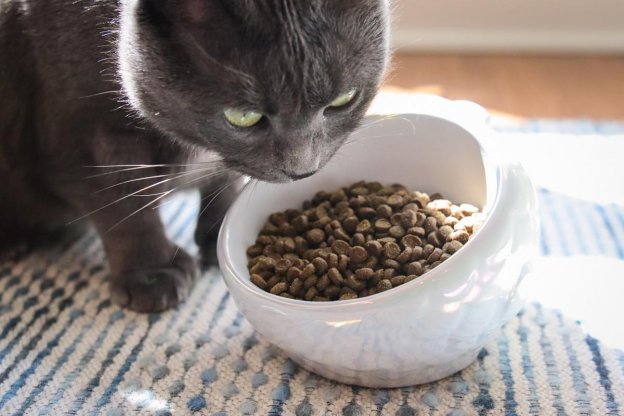
Navigating the pet food aisle can easily overwhelm even the most dedicated cat owner. Row upon row of brightly colored bags, cans, and pouches promise optimal health, vibrant coats, and boundless energy for your feline companion. However, cats possess unique biology that sets their dietary requirements apart from nearly every other domestic animal. Selecting the right food is not simply a matter of preference or cost; it is one of the most critical decisions you will make regarding your cat’s lifelong health and well-being.
To make an informed choice, pet owners must understand feline physiology, decipher ingredient labels, and evaluate how different nutritional formulations support cats across various life stages. This guide breaks down the core principles of feline nutrition to help you choose the best food for your pet.
Understanding Feline Nutritional Physiology
Unlike dogs and humans, who are omnivores capable of thriving on diverse plant and animal diets, cats are obligate carnivores. This biological distinction means that domestic cats are evolutionarily designed to derive their essential nutrient profile strictly from animal tissue.
Their biological systems are tailored to process high amounts of protein, moderate amounts of fat, and minimal amounts of carbohydrates. Several key dietary components illustrate why meat is indispensable for feline survival:
-
Taurine: An essential amino acid found almost exclusively in animal tissue. Cats cannot synthesize taurine in adequate quantities on their own. A deficiency can lead to irreversible heart disease, known as dilated cardiomyopathy, as well as severe retinal degeneration resulting in blindness.
-
Arginine: Another essential amino acid required for detoxifying ammonia in the cat’s urea cycle. Even a single meal completely lacking arginine can result in severe metabolic toxicity.
-
Preformed Vitamin A: Cats lack the specific enzymes necessary to convert plant-derived beta-carotene into active Vitamin A. They must obtain active Vitamin A directly from animal liver or meat fats.
-
Arachidonic Acid: This essential fatty acid must come from animal fat sources, as cats cannot synthesize it efficiently from plant oils like flaxseed or canola.
Because of these evolutionary adaptations, high-protein, meat-based recipes form the non-negotiable cornerstone of a healthy feline diet.
Wet Food versus Dry Food: Evaluating the Options
One of the most persistent debates among cat owners revolves around whether canned wet food or dry kibble is superior. Both formats offer distinct advantages, and understanding their differences helps in tailoring a feeding plan to your cat’s specific lifestyle and health profile.
The Benefits of Wet Canned Food
Wet cat food generally contains between seventy and eighty percent moisture. In nature, cats evolved as desert-dwelling hunters that obtained the vast majority of their daily water consumption directly from their prey. Consequently, modern cats possess a notoriously low thirst drive.
-
Hydration and Kidney Function: Canned food provides built-in hydration that helps maintain healthy kidney function and prevents urinary tract inflammation.
-
Lower Carbohydrate Load: High-quality wet foods typically contain significantly fewer carbohydrate fillers than dry kibble, making them ideal for weight management.
-
Satiety and Caloric Density: The high moisture content adds volume to meals, allowing cats to feel full without consuming excess calories.
The Benefits of Dry Kibble
Dry food offers unmatched convenience and shelf stability. It contains roughly ten percent moisture, making it far more calorie-dense per portion than wet food.
-
Convenience and Cost: Kibble remains stable at room temperature for extended periods, making it ideal for puzzle feeders or automated feeding devices.
-
Higher Caloric Density: Dry food allows underweight cats or active outdoor felines to consume required calories in smaller physical volumes.
Many veterinarians recommend a blended feeding approach. Serving wet food twice daily provides essential hydration and weight control, while incorporating a measured amount of dry kibble offers daily routine flexibility.
Decoding Cat Food Labels and Ingredients
Marketing terms printed on pet food packaging can often be misleading. Words such as holistic, natural, premium, or gourmet lack strict regulatory definitions. To truly evaluate the quality of a cat food, you must flip the package over and examine the nutritional adequacy statement and the ingredient list.
Looking for Complete and Balanced Statements
Always verify that the product features a statement confirming it provides complete and balanced nutrition for your cat’s specific life stage. This ensures the food meets baseline nutritional minimums established for feline health without requiring external vitamins or supplements.
Analyzing the Ingredient List
Ingredients are listed in descending order by total weight before processing. Pay attention to the top three to five items listed on the label:
-
Named Meat Sources: Look for specific animal proteins listed as the primary ingredients, such as chicken, turkey, beef, salmon, or lamb, rather than vague descriptors like meat or poultry.
-
Organ Meats: High-quality organ meats, such as liver and heart, provide concentrated sources of natural taurine, iron, and essential vitamins.
-
Carbohydrate Sources: While small amounts of easily digestible starches are used to shape kibble, excessive amounts of corn, wheat, or soy offer minimal nutritional value to an obligate carnivore and can contribute to weight gain.
-
Artificial Additives: Avoid foods that rely on artificial colorings, chemical preservatives like BHA or BHT, or added sugars to improve palatability.
Feeding for Life Stages and Health Needs
A cat’s dietary requirements change dramatically as it progresses from a playful kitten to a serene senior companion. Tailoring nutrition to these life stages prevents growth issues and age-related health decline.
Kittens (Up to 12 Months)
Kittens experience rapid physical development, requiring nearly double the caloric intake per pound of body weight compared to adult cats. Kitten formulas feature higher percentages of protein and fat, along with precise balances of calcium and phosphorus to support bone growth and brain development.
Adult Cats (1 to 7 Years)
Maintenance diets for adult felines focus on sustaining lean muscle mass while preventing obesity. Indoor adult cats, in particular, often require formulas with adjusted caloric density and tailored fiber content to support gut health and minimize hairballs.
Senior Cats (7+ Years)
As cats age, their metabolism slows and their body digest protein less efficiently. Senior diets often incorporate easily digestible proteins, joint supplements such as glucosamine and omega-3 fatty acids, and adjusted phosphorus levels to lessen the workload on aging kidneys.
Establishing Healthy Feeding Habits
How you feed your cat is nearly as important as what you feed them. Cats thrive on predictable daily routines, but free-feeding dry food from an overflowing bowl frequently leads to overeating and feline obesity.
-
Portion Control: Use a digital scale or standard measuring cup to portion out daily meals based on your cat’s ideal body weight rather than their current weight.
-
Multiple Small Meals: Feline digestion is naturally suited for small, frequent meals throughout the day. Dividing daily rations into two to four smaller servings mimics natural hunting patterns.
-
Separate Water Stations: Cats prefer drinking water away from where they eat. Keep fresh water bowls or circulating water fountains in a separate room from their food dishes.
Focusing on high-quality animal proteins, appropriate hydration, and structured feeding portions establishes a foundation for long-term health. Investing time into choosing the right diet helps ensure your feline companion lives a vibrant and energetic life.
Frequently Asked Questions
How long should it take to transition a cat to a new brand of pet food?
Transitioning a cat to a new food should take approximately seven to ten days. Start by mixing twenty-five percent of the new food with seventy-five percent of the current food for the first two days. Gradually increase the proportion of the new food every couple of days until the transition is complete. This slow progression prevents sudden gastrointestinal distress, vomiting, or diarrhea.
Can cats thrive on a vegetarian or vegan diet?
No, cats cannot safely thrive on a vegetarian or vegan diet. As obligate carnivores, cats lack the metabolic pathways to synthesize critical nutrients like taurine, preformed Vitamin A, and arachidonic acid from plant sources. Forcing a plant-only diet on a feline can lead to severe malnutrition, heart failure, blindness, and premature death.
How can a pet owner tell if their cat is overweight?
You can assess your cat’s body condition by feeling their ribcage and looking at their profile from above. You should easily feel your cat’s ribs with light pressure without a thick layer of fat covering them. From an overhead view, your cat should have a visible waistline behind the ribs, and their abdomen should tuck up slightly when viewed from the side.
Why do some cats vomit immediately after eating dry kibble?
Vomiting right after eating kibble often occurs when a cat eats too quickly or swallows kibble whole without chewing. The dry food expands rapidly in the stomach upon mixing with gastric juices, triggering a regurgitation reflex. Using slow-feeder bowls, puzzle toys, or switching to smaller, more frequent meals can effectively resolve this issue.
Is raw cat food safer and healthier than commercial cooked food?
Raw food diets carry significant risks of bacterial contamination from Salmonella and E. coli, which can harm both the cat and human family members. Additionally, homemade raw diets often lack precise nutritional balance unless formulated by a board-certified veterinary nutritionist. Commercial cooked diets undergo rigorous testing to ensure safety and consistent nutritional adequacy.
What should you do if your cat suddenly stops eating their normal food?
A sudden loss of appetite in a cat that lasts longer than twenty-four hours warrants a prompt visit to the veterinarian. Felines that refrain from eating can quickly develop a life-threatening liver condition known as hepatic lipidosis. A vet can rule out underlying medical issues like dental pain, kidney disease, or gastrointestinal blockages.
How much water should a healthy adult cat consume daily?
An average adult cat weighing ten pounds typically requires about four to six fluid ounces of water per day. Cats fed primarily canned wet food fulfill most of this requirement through their meals, whereas cats fed strictly dry kibble must drink significantly more standing water to maintain proper hydration levels.