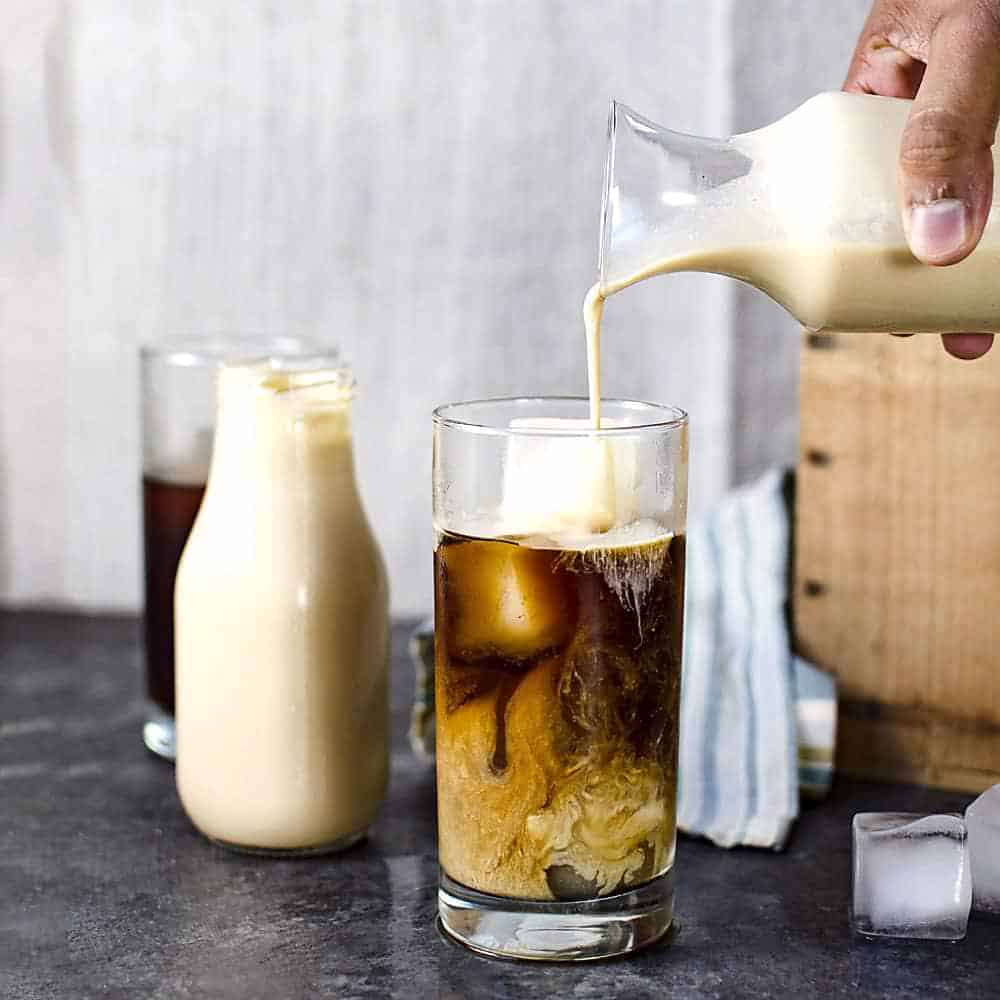
Making cold brew at home sounds effortless on paper: mix coarse coffee grounds with cold water, walk away for half a day, strain it, and pour over ice. Yet plenty of home brewers pull a pitcher from the fridge only to take a sip that tastes either aggressively sharp and lemony or flat, woody, and harsh.
Those two off-flavors are not random bad luck. They are direct clues about how water pulled flavor compounds out of your coffee beans—and in almost every kitchen, grind size is the main lever controlling whether your batch lands in the sweet spot or misses completely.
How Extraction Shapes Cold Brew Flavor
Coffee extraction is simply the process of water dissolving soluble compounds from roasted coffee particles. Because cold water lacks the thermal energy of hot water, it dissolves those compounds much more slowly and selectively.
Different flavor compounds leave the coffee grounds at different speeds:
-
Fruit acids and bright aromatics dissolve first, even in cold water.
-
Natural sugars and sweet, nutty oils follow in the middle stage, giving cold brew its signature chocolatey smoothness.
-
Bitter plant fibers, astringent tannins, and woody compounds extract last, usually when coffee sits too long or has too much exposed surface area.
When your cold brew tastes sour, the water pulled out the early acids and stopped short before dissolving enough sweetness to balance them. When it tastes bitter, harsh, or drying on the tongue, the water kept going well past the sweet middle and dragged out the heavy, bitter compounds at the end.
Why Homemade Cold Brew Turns Out Sour
Sour cold brew surprises people because cold brewing is famous for low acidity. Still, if water cannot penetrate the coffee grounds fast enough during your steep window, under-extraction happens every time.
The most common culprit is grinding too coarse. Many recipes call for an “extra-coarse” grind, which leads home brewers to leave beans almost in cracked pebbles. Huge chunks have very little surface area relative to their mass, meaning water barely reaches the center of each piece even after 16 hours.
Other kitchen habits push under-extraction even further:
-
Steeping straight in the refrigerator without enough time, since 38°F water slows extraction dramatically compared to a 70°F kitchen counter.
-
Using very light-roasted beans with a coarse grind, because dense, lightly roasted beans resist water penetration far more than medium or dark roasts.
-
Skipping an initial stir, leaving dry pockets of grounds floating on top instead of soaking evenly.
If your concentrate smells grassy, tastes thin, or leaves a sharp, citrus-like tang on the sides of your tongue, you are tasting an incomplete extraction.
Why Homemade Cold Brew Turns Out Bitter
On the opposite end, bitter cold brew is the classic sign of over-extraction. Instead of tasting rich and cocoa-forward, the cup feels heavy, hollow, or astringent—almost like chewing on damp wood or over-steeped black tea.
Using pre-ground drip coffee is the fastest way to get there. Standard drip grinds are small enough that 12 to 24 hours of immersion exposes far too much surface area to water. By hour ten, the sugars are already in the pitcher, and the remaining hours only pull bitter compounds.
The Hidden Role of Coffee Fines
Even if you grind your own beans, uneven particles can ruin an otherwise good batch. Blade grinders smash beans into a mix of large boulders and powdery dust called fines. Those tiny dust particles over-extract rapidly in water, adding harsh bitterness while also slipping through mesh strainers to leave muddy sludge at the bottom of your glass.
Dark roasts also tip into bitterness quickly when ground too fine. Because dark-roasted beans are more porous and brittle, water moves through them easily and extracts bitter roast notes much earlier than it would with a medium roast.
What the Ideal Cold Brew Grind Actually Looks Like
Forget vague advice like “grind it like gravel.” For most home setups, the sweet spot for cold brew is medium-coarse to coarse—roughly the texture of raw turbinado sugar or coarse kosher salt.
At that size, individual particles are clearly distinct and gritty between your fingers, not powdery like table salt or sandy like espresso, yet not so chunky that they look like crushed peppercorns. You want enough surface area for cold water to reach the core of each particle within a 12-to-18-hour window without stripping out bitter tannins.
If you use a burr grinder with numbered settings, start right around the setting you would use for a French press, then nudge it one or two clicks finer if you brew inside the fridge or use lighter beans.
How to Dial In Your Grind Size Step by Step
You do not need lab equipment to dial in cold brew. Changing one variable at a time over two or three small test batches will lock in a reliable recipe for your exact grinder, water, and beans.
-
Pick a consistent baseline recipe. Start with a 1:8 ratio of coffee to water by weight for a ready-to-drink style or 1:5 for a concentrate you plan to dilute with water or milk. Using a kitchen scale removes the guesswork of scooping whole beans versus ground coffee.
-
Set your burr grinder to coarse kosher salt texture. Grind a small amount first, rub a pinch between your thumb and forefinger, and check for uniform grit rather than powder mixed with chunks.
-
Bloom and stir gently at the start. Pour half your water over the grounds, stir for 10 to 15 seconds so every particle is wet, then add the rest of the water and stir once more.
-
Keep time and temperature steady. Steep for 14 to 16 hours at room temperature, or 18 to 20 hours in the refrigerator, and write down the exact time.
-
Taste the finished brew black before adding ice or milk. Tasting a small spoonful undiluted makes diagnosis easy: if it tastes sour or thin, move your grinder two clicks finer on the next batch; if it tastes bitter, dry, or smoky, move two clicks coarser.
Matching Grind Size to Your Equipment and Beans
Once you have a solid baseline, a few practical adjustments keep your results consistent across different bags of coffee and brewing jars.
-
Paper filters versus metal mesh: Metal mesh filters let microscopic fines and coffee oils pass into your pitcher, which can amplify bitterness if your grind leans slightly fine. Filtering through a paper pour-over cone or nut-milk bag traps those fines, giving you a cleaner cup and a slightly wider margin for error.
-
Medium roasts versus dark roasts: Medium-roasted coffees with chocolate, caramel, or toasted nut tasting notes shine at a standard coarse kosher salt grind. If you love a deep French or Italian roast, go slightly coarser and cut steep time closer to 12 hours so the brew stays smooth rather than roasty and sharp.
-
Grinder maintenance: Worn burrs or built-up coffee oils produce more uneven fines over time. Brushing out your grinder chamber every couple of weeks keeps particle size uniform and prevents stale oils from muddying fresh batches.
Great homemade cold brew comes down to balance rather than brute-force steeping time. Once your grind lands in that even, kosher-salt zone, water extracts the natural sweetness of the bean on schedule—leaving sour edges and bitter aftertastes behind.