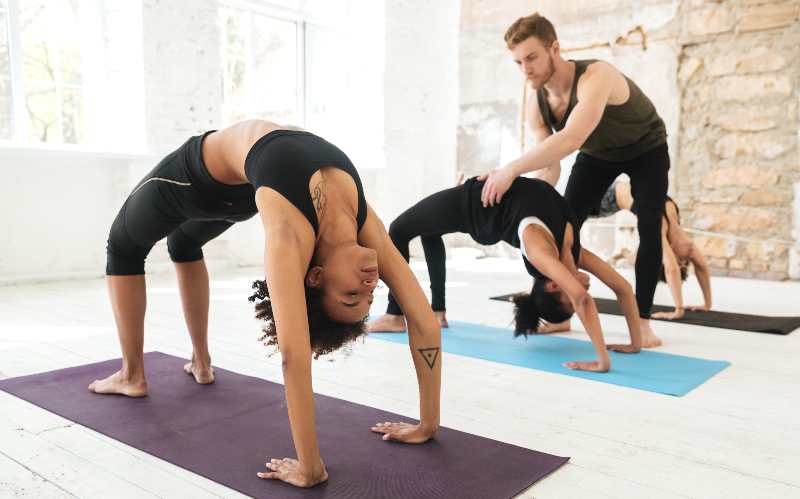
Combining heavy lifting with the mindful precision of yoga creates one of the most balanced, sustainable physical fitness frameworks available. While strength training builds lean muscle mass, increases bone density, and enhances raw power, it frequently leads to joint stiffness, restricted range of motion, and overused connective tissues. Yoga addresses these exact physical limitations. By systematically integrating structured yoga sessions into a weightlifting or resistance regimen, lifters can repair tissue faster, increase joint mobility, correct postural imbalances, and drastically lower the risk of exercise-induced injuries.
The Synergy Between Resistance Training and Yoga
Strength training relies primarily on concentric and eccentric muscle contractions performed through specific planes of motion. Over time, repeated loaded contractions shorten muscle fibers and tighten the surrounding fascia. This tightness limits the distance a joint can move, which ultimately restricts power output and creates mechanical strain across knees, hips, shoulders, and the lower back.
Yoga operates as an essential counterweight to this shortening process. Through sustained isometric holds, dynamic active stretching, and controlled multi-planar movement, yoga lengthens shortened muscle groups and hydrates fascial networks. Rather than reducing power, extending functional muscular length actually increases the velocity and depth of big compound lifts like squats, deadlifts, and overhead presses.
Beyond physical structure, yoga directly enhances nervous system regulation. Heavy resistance training stimulates the sympathetic nervous system, keeping the body in a high-alert, stress-dominant state. Parasympathetic-focused yoga practices activate the vagus nerve, dropping heart rates and accelerating physiological recovery between intense lifting sessions.
Key Benefits of Combining Yoga and Weightlifting
Integrating these two disciplines delivers measurable performance and recovery upgrades across several key physiological areas:
-
Expanded Range of Motion: Deepening hip, ankle, and shoulder mobility allows athletes to execute compound lifts with superior depth and form, maximizing muscle recruitment per repetition.
-
Accelerated Neuromuscular Recovery: Slow, controlled breathing techniques encourage oxygen delivery to fatigued tissues while reducing systemic cortisol levels.
-
Enhanced Core and Stabilizer Strength: Classic yoga poses demand deep activation of the transverse abdominis, gluteus medius, and rotator cuff muscles, which are vital stabilizers during heavy barbell work.
-
Injury Prevention and Joint Longevity: Strengthening connective tissues and balancing muscular asymmetries protects vulnerable joints from wear and tear caused by repetitive heavy loading.
-
Improved Proprioception and Body Awareness: Yoga refines spatial body awareness, allowing lifters to make subtle, mid-set movement corrections during complex lifts.
How to Structure Your Hybrid Routine
Adding yoga to a strength program requires tactical planning. Randomly throwing aggressive yoga poses into an already demanding lifting schedule can cause central nervous system fatigue or muscle strain.
Before touching a barbell, static stretching should be avoided as it reduces maximum force output. Instead, use dynamic yoga flows for 8 to 10 minutes to raise core body temperature and lubricate joints.
Focus on flowing movements like Sun Salutations, Cat-Cow transitions, Thread the Needle, and dynamic Downward-Facing Dog. These poses mobilize the spine, open tight hip flexors, and prepare the shoulders for heavy loading without fatiguing the target muscle groups.
Post-Workout Down-Regulation
Immediately following a heavy strength session, the goal shifts toward calming the nervous system and resetting resting muscle length. Spend 10 to 15 minutes engaging in gentle, static yoga holds held for 45 to 90 seconds.
Target the specific muscle groups trained during the lifting session. After a deadlift day, prioritize hamstring, lower back, and glute stretches like Seated Forward Fold, Pigeon Pose, and Reclined Twist. After an upper-body workout, focus on Opening the Chest via Puppy Pose and Sphinx Pose.
Dedicated Active Recovery Days
On non-lifting days, schedule a comprehensive 45-to-60-minute yoga practice. Depending on your current recovery state, choose between two primary styles:
-
Vinyasa Flow: Ideal for building endurance in stabilizing muscles, refining balance, and maintaining dynamic flexibility when feeling energized.
-
Yin Yoga or Restorative Yoga: Ideal for deep tissue repair, joint decompression, and high-stress periods. Poses are held passively for three to five minutes, targeting deep fascial networks and ligaments.
Target Yoga Poses for Common Strength Training Stiff Spots
Weightlifting tends to create predictable points of tightness across the body. Integrating specific yoga poses directly addresses these troublesome areas:
Pigeon Pose for Hip Tightness
Heavy squatting and deadlifting shorten the piriformis and external hip rotators. Pigeon Pose opens the outer hips and glutes, alleviating tension that frequently pulls on the lower back during heavy squatting.
Cobra Pose or Sphinx Pose for Anterior Chain Tightness
Bench pressing and heavy rowing often compress the thoracic spine and pull the shoulders forward into a rounded posture. Cobra and Sphinx poses gently extend the thoracic spine, open the chest, and stretch the abdominal wall.
Downward-Facing Dog for Posterior Chain Flexibility
This foundational pose simultaneously stretches the calves, hamstrings, and shoulders while strengthening the wrists and hands. It helps establish a strong ankle dorsiflexion angle needed for deep squats.
Low Lunge with Spinal Twist for Tight Hip Flexors
Sitting combined with heavy quad-dominant training leads to hyper-tight hip flexors, which tilts the pelvis anteriorly and strains the lumbar spine. A low lunge stretches the psoas, while the twist unlocks thoracic spine rotation.
Recommended Weekly Training Schedule
A typical balanced four-day strength and three-day yoga hybrid schedule follows this weekly structure:
-
Monday: Heavy Upper Body Strength + 10-Minute Post-Workout Shoulder Opening Flow
-
Tuesday: Heavy Lower Body Strength + 10-Minute Post-Workout Hip Opening Flow
-
Wednesday: 45-Minute Active Recovery Yin Yoga Session
-
Thursday: Hypertrophy Upper Body Strength + 10-Minute Down-Regulation Mobility
-
Friday: Hypertrophy Lower Body Strength + 10-Minute Down-Regulation Mobility
-
Saturday: 60-Minute Dynamic Vinyasa Flow Session
-
Sunday: Complete Rest or Light Walking with 15-Minute Bedtime Breathwork
Frequently Asked Questions
Will practicing yoga cause me to lose my muscle mass or strength gains?
No, yoga does not cause muscle loss when combined with proper nutrition and adequate calorie intake. In fact, by expanding your functional range of motion and accelerating recovery, yoga allows you to handle heavier training loads over time with reduced fatigue.
Should I do a full yoga class before or after my weight lifting workout?
Full, demanding yoga classes should not be performed immediately before a heavy lifting session, as holding prolonged static stretches temporarily reduces peak power output. Limit pre-workout yoga to dynamic, movement-based flows, saving longer static practices for after your lift or dedicated rest days.
How soon after starting yoga will I notice improvements in my weightlifting performance?
Most lifters notice improved breathing control, reduced post-workout soreness, and better joint comfort within two to three weeks of consistent practice. Significant improvements in depth, balance, and structural mobility typically materialize within six to eight weeks.
Can yoga replace my standard cardio sessions?
Fast-paced styles like Vinyasa, Power Yoga, or Ashtanga elevate heart rates significantly and provide moderate cardiovascular benefits. However, while these styles improve aerobic capacity, they are best viewed as a supplement rather than a complete replacement for low-intensity continuous cardio or structured interval training.
Which style of yoga is most beneficial for strength athletes?
Vinyasa Flow is excellent for dynamic mobility, core strength, and active warm-ups, while Yin Yoga is best for deep joint health, fascial releases, and nervous system recovery on off-days. Incorporating a mixture of both styles provides the most complete physical response.
How do I prevent overtraining when combining heavy lifting with intense yoga?
Listen to your body’s recovery signals and adjust the intensity of your yoga sessions based on your lifting volume. If you are experiencing elevated resting heart rates, disrupted sleep, or systemic fatigue, swap intense, strength-based yoga classes for passive Yin or Restorative practices.
Is it normal to experience intense muscle shaking during yoga holds?
Yes, muscle shaking during isometric yoga holds is completely normal for strength athletes. It indicates that small, localized stabilizer muscles and motor units—which are often bypassed during linear barbell movements—are being challenged and fatigued.