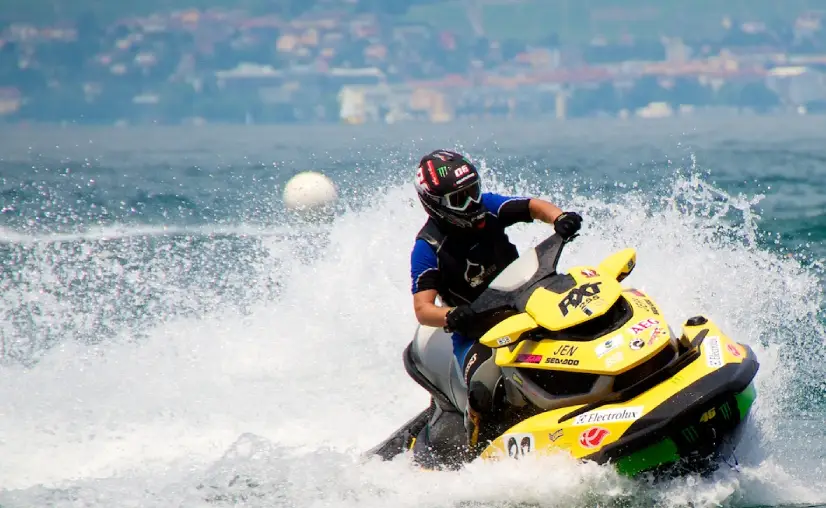
Water-based adventure sports offer a unique combination of adrenaline, physical challenge, and immersion in the natural world. Whether navigating swift river currents, harnessing ocean winds, or exploring underwater ecosystems, participating in water sports allows individuals to push their physical limits while experiencing diverse environments. From high-speed surface activities to technical underwater pursuits, the variety of options caters to beginners and seasoned thrill-seekers alike.
Engaging in water sports improves cardiovascular fitness, core strength, balance, and mental focus. As safety equipment and instruction methods have evolved, many high-intensity activities have become far more accessible to the general public. Understanding the mechanics, equipment demands, and safety considerations of each sport is essential for choosing the activity that best aligns with your fitness level and adventure goals.
1. Whitewater Rafting
Whitewater rafting involves navigating inflatable rafts down turbulent river rapids. Rivers are rated on an international scale from Class I to Class VI based on difficulty, water movement, and technical maneuvers required.
-
Class I to Class II: Gentle, slow-moving water with small waves, ideal for beginners and families.
-
Class III to Class IV: Irregular waves, narrow passages, and steep drops requiring coordinated team paddling and quick reactions.
-
Class V to Class VI: Extremely violent rapids with high risk, intended strictly for expert paddlers with specialized safety support.
Participants must wear personal flotation devices (PFDs) and helmets at all times. Teamwork is critical, as a guide positioned at the stern commands paddlers to shift weight and stroke in unison to prevent the raft from flipping in hydraulic features.
2. Kitesurfing and Kiteboarding
Kitesurfing combines elements of windsurfing, wakeboarding, and gymnastics into a single high-energy discipline. Practitioners stand on a small board while tethered to a large controllable power kite that harnesses wind energy to propel them across the water surface.
Key aspects of the sport include:
-
Wind Window Management: Riders control the position of the kite within an imaginary power zone to generate velocity or lift off the water for air tricks.
-
Board Control: Maintaining edge control on the board directs travel path and prevents skidding across the water surface.
-
Safety Release Systems: Modern control bars feature quick-release mechanisms that immediately depower the kite in emergency situations.
Mastering kitesurfing requires dedicated lessons from certified instructors, as controlling the power kite on land and water requires refined technique rather than raw physical strength.
3. Scuba Diving and Technical Cave Diving
Scuba diving opens access to underwater habitats, allowing divers to observe marine life, shipwrecks, and complex geological formations. Using self-contained underwater breathing apparatus systems, certified divers maintain neutral buoyancy to hover effortlessly above ocean beds and reef structures.
While open-water scuba diving focuses on serene exploration, technical cave diving represents the extreme tier of the sport. Cave divers navigate overhead environments where direct vertical ascension to the surface is impossible. This discipline demands redundant gas supplies, dive computers, primary guidelines, and specialized training to manage navigation in total darkness.
Physical conditioning, strict adherence to decompression tables, and calm decision-making under pressure are mandatory requirements for technical diving environments.
4. Stand-Up Paddleboard (SUP) Surfing
Stand-up paddleboarding originated as a calm-water recreational activity, but SUP surfing has elevated the sport into an athletic ocean challenge. Riders use a long paddle to propel a high-volume surfboard into ocean waves before riding the wave face down toward the shoreline.
-
Enhanced Visibility: Standing upright gives paddlers an elevated vantage point to spot incoming wave swells before traditional prone surfers.
-
Core Stability: Balance is maintained through continuous engagement of the abdominal muscles, hips, and ankles.
-
Propulsion and Steering: The paddle serves a dual purpose, functioning as a primary accelerator to catch waves and as a rudder to carve turns on the wave face.
SUP surfing demands strong swimming capability and an understanding of ocean lineup etiquette, as larger boards require ample space to maneuver safely near other surfers.
5. Canyoning and Waterfall Rappelling
Canyoning, also known as canyoneering, involves traveling through narrow slots and river gorges using a variety of techniques such as walking, scrambling, jumping, sliding down natural water chutes, and rappelling down waterfalls.
Safety equipment for canyoning includes static ropes, harnesses, descenders, thick neoprene wetsuits for thermal protection, and specialized footwear with high-traction rubber soles for slippery rock surfaces. Practitioners must evaluate water depth prior to leaping into pools and monitor changing weather patterns, as flash floods pose a significant hazard in narrow canyon corridors.
6. Flyboarding and Hydro-Flight Sports
Flyboarding utilizes personal watercraft propulsion technology to elevate riders above the water surface. A heavy-duty hose connects a personal watercraft to a foot-mounted board, redirecting high-pressure water jets downward to create vertical lift.
Riders control elevation and direction by tilting their feet, engaging core stabilizers, and maintaining relaxed posture. Advanced flyboarders perform backflips, dives beneath the surface, and hovering maneuvers up to thirty feet in the air. Intuitive balance and clear communication with the watercraft operator make flyboarding surprisingly easy to learn during initial introductory sessions.
7. Windsurfing
Windsurfing integrates elements of sailing and surfing on a sleek board fitted with a free-pivoting rig consisting of a mast, boom, and sail. Unlike sailboats, the rig is held and controlled directly by the windsurfer without winches or fixed rigging.
-
Sail Trimming: Adjusting the angle of the sail relative to incoming wind dictates speed and directional stability.
-
Foot Steering: Tilting the mast forward or backward turns the board, while shifting weight onto the board tail carves smooth turns.
-
Harness Integration: Riders wear waist or seat harnesses attached to lines on the boom, transferring sail force directly to their body weight to reduce arm fatigue during long sessions.
Windsurfing offers an exceptional full-body workout, building endurance, grip strength, and spatial awareness across varied wind conditions.
Essential Safety Protocols for Water Sports
Prioritizing safety ensures that water adventures remain enjoyable and free from preventable injuries. Always observe fundamental preparation guidelines prior to launching any activity:
-
Inspect Equipment Thoroughly: Examine harness straps, inflation valves, lines, and helmets for signs of wear, dry rot, or mechanical stress before entering the water.
-
Evaluate Weather Conditions: Check local wind speeds, wave heights, tide tables, and thunderstorm forecasts. Never venture into open water during sudden weather shifts or offshore winds.
-
Never Undertake Extreme Water Sports Alone: Always use a buddy system or participate with certified local guides who understand local current patterns, submerged hazards, and emergency response procedures.
-
Maintain Proper Hydration and Thermal Balance: Prolonged water exposure accelerates dehydration and core temperature changes. Wear appropriate neoprene wetsuits or rash guards based on ambient water temperatures.
Frequently Asked Questions
What is the minimum age requirement for participating in extreme water sports?
Age requirements vary depending on the specific sport and local operator policies. Most commercial whitewater rafting and flyboarding companies set minimum age thresholds between eight and twelve years old for introductory activities. Technical sports like scuba diving require participants to be at least ten years old for junior certifications, while specialized disciplines like cave diving require participants to be at least eighteen years old.
Do I need to be a strong swimmer to try all water-based adventure sports?
Basic swimming proficiency is strongly recommended for all water sports, but the required skill level varies. Activities such as commercial whitewater rafting, tandem parasailing, or introductory flyboarding fit participants with high-buoyancy life jackets that keep non-swimmers afloat safely. However, board sports like kitesurfing, windsurfing, and SUP surfing require strong swimming skills because participants frequently detach from their boards in deep, turbulent open water.
How do water sports equipment rental costs compare to buying personal gear?
Renting equipment is the most cost-effective option for beginners and casual participants, as high-quality gear for sports like scuba diving or kitesurfing can cost several thousand dollars to purchase outright. Renting allows individuals to try different board sizes, sail setups, or wetsuit thicknesses before committing to a permanent purchase. Buying personal gear becomes economical once you participate frequently enough that cumulative rental fees exceed gear maintenance and purchase costs.
What insurance coverage is required or recommended for extreme water sports?
Standard medical insurance policies often contain exclusions for high-risk or extreme sports activities. Vacationers planning to engage in activities like canyoning, cave diving, or kitesurfing should purchase specialized travel insurance or sports riders that explicitly cover search and rescue operations, hyperbaric chamber treatments, and emergency medical evacuations.
How does saltwater exposure affect adventure gear and how should it be maintained?
Saltwater causes rapid oxidation of metal components and degrades synthetic fabrics, zippers, and rubber seals if left untreated. After every session in ocean water, gear must be rinsed thoroughly with clean, cold freshwater and allowed to dry completely in a shaded, well-ventilated area away from direct sunlight. Moving parts, such as carabiners and zip sliders, should be lubricated periodically with marine-grade silicone spray.
Can individuals prone to motion sickness participate in high-speed or rough water sports?
Yes, individuals with motion sickness can participate by taking preventive measures. Motion sickness is caused by mixed sensory signals between the inner ear, eyes, and body. Participating in active, high-focus sports where you control the motion, such as windsurfing or SUP surfing, reduces motion sickness compared to passive riding on a boat. Taking non-drowsy anti-nausea medication or wearing acupressure wristbands prior to entering the water can also help mitigate symptoms.
What are the best seasonal times of year to experience optimal water conditions?
Optimal timing depends entirely on the activity and geographic region. Mountain river rafting peaks during late spring and early summer when snowpack melt creates high water volumes. Ocean wind sports like kitesurfing and windsurfing rely on seasonal trade winds, which peak during specific winter or summer months depending on the hemisphere. Tropical scuba diving is generally best during dry seasons when rainfall runoff is minimal, yielding maximum underwater visibility.