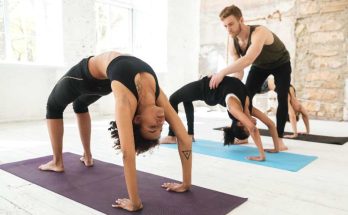
Regular training brings undeniable benefits, but it also comes with physical risks when movement patterns, recovery habits, or workload management are overlooked. In Singapore’s fast-paced urban environment, these risks are amplified by long hours of sitting, high stress levels, and limited recovery time. This is why conversations around gym singapore have shifted from pure performance to injury awareness and prevention. Modern gyms now design training systems that reflect how Singaporeans live, work, and move every day.
Understanding common injury patterns helps gym-goers train smarter and maintain long-term consistency without disruption.
Why Injury Trends in Singapore Are Different
Injuries do not occur in isolation. They are often the result of lifestyle habits interacting with training demands. Singapore’s urban lifestyle creates unique physical conditions that influence how injuries develop.
Key contributing factors include:
-
Prolonged sitting at desks and during commutes
-
Reduced daily movement variability
-
High work-related stress and mental fatigue
-
Limited sleep during peak work periods
-
Compressed training schedules with minimal recovery
These factors shape how the body responds to gym training and explain why certain injuries are more common locally.
Lower Back Strain From Prolonged Sitting and Improper Loading
Lower back discomfort is one of the most frequently reported issues among regular gym-goers in Singapore. Hours spent sitting can weaken the core, tighten the hip flexors, and reduce spinal mobility.
When gym training adds heavy lifting without addressing these limitations, strain can occur.
Common causes include:
-
Poor hip hinge mechanics
-
Weak core stabilisation
-
Sudden increases in training load
-
Insufficient warm-up before lifting
Modern gym programmes now integrate mobility drills, core activation, and gradual load progression to reduce back-related injuries.
Shoulder Impingement Linked to Desk Posture
Desk work often encourages rounded shoulders and forward head posture. Over time, this limits shoulder mobility and stability.
When combined with pressing or overhead exercises, this can lead to:
-
Shoulder impingement
-
Rotator cuff irritation
-
Reduced range of motion
-
Persistent discomfort during training
Gyms address this by emphasising balanced push and pull exercises, scapular control, and posture-focused training rather than excessive pressing volume.
Knee Pain From Movement Imbalances
Knee pain is another common issue, especially among individuals returning to training after long periods of inactivity.
Contributing factors include:
-
Weak glutes and hamstrings
-
Limited ankle mobility
-
Improper squat and lunge mechanics
-
Excessive volume without recovery
Modern gyms in Singapore focus on movement assessments, unilateral training, and controlled tempo exercises to improve knee stability and reduce stress.
Neck and Upper Back Tension From Screen Usage
Heavy screen usage affects posture and muscular balance. Neck stiffness and upper back tension often appear alongside gym training when posture is not addressed.
Symptoms may include:
-
Tight neck muscles
-
Headaches after workouts
-
Reduced upper back mobility
-
Discomfort during pressing movements
Gym programmes now incorporate mobility work for the upper spine and corrective exercises that counteract daily screen habits.
Overuse Injuries From Repetitive Training
Repetition without variation increases the risk of overuse injuries. This is particularly common among individuals who follow rigid routines or repeat the same exercises weekly.
Overuse injuries often develop as:
-
Tendon irritation
-
Joint discomfort
-
Chronic soreness that does not resolve
-
Declining performance
To prevent this, modern gyms emphasise variety, movement rotation, and periodised programming.
How Poor Recovery Contributes to Injury Risk
Recovery is often overlooked in busy lifestyles. Inadequate sleep, hydration, and rest increase injury susceptibility even when training intensity is moderate.
Signs of insufficient recovery include:
-
Persistent soreness
-
Reduced motivation
-
Declining strength
-
Increased joint discomfort
Gyms now educate members on recovery strategies and design training schedules that allow adaptation rather than constant stress.
The Role of Warm-Ups in Injury Prevention
Warm-ups are no longer treated as optional. Effective warm-ups prepare joints, muscles, and the nervous system for training demands.
A structured warm-up typically includes:
-
Mobility drills for restricted joints
-
Activation exercises for stabilising muscles
-
Gradual intensity build-up
-
Breathing patterns that improve focus
This approach significantly reduces injury risk.
Coaching Cues and Technique Awareness
Poor technique is a major contributor to gym-related injuries. Professional coaching helps identify and correct movement errors before they become problematic.
Key coaching focuses include:
-
Proper alignment during lifts
-
Controlled movement tempo
-
Balanced muscle engagement
-
Safe progression strategies
This guidance ensures that exercises support long-term health rather than short-term performance.
Equipment Design and Injury Reduction
Modern gyms select equipment with injury prevention in mind. Adjustable machines, functional training tools, and open spaces allow safer movement patterns.
Benefits include:
-
Reduced joint stress
-
Improved movement control
-
Easier modification for different body types
-
Better support for rehabilitation-focused training
This environment encourages safer training habits.
The Shift Towards Movement Screening
Movement screening helps identify limitations before they cause injury. Many gyms now assess mobility, stability, and posture during onboarding.
Screening allows:
-
Personalised exercise selection
-
Early identification of risk factors
-
Safer progression planning
-
Better long-term outcomes
This proactive approach reduces injury incidence.
Why Group Training Can Lower Injury Risk
Well-designed group training sessions are structured and supervised. This reduces the likelihood of excessive load or poor technique.
Group settings provide:
-
Real-time coaching cues
-
Controlled intensity
-
Balanced session design
-
Accountability without pressure
These elements support safer training experiences.
Managing Training Load During High-Stress Periods
Work stress affects physical recovery. Modern gym programmes adjust training intensity during peak stress periods rather than pushing harder.
Load management strategies include:
-
Reducing volume temporarily
-
Focusing on technique and mobility
-
Prioritising recovery-focused sessions
-
Avoiding maximal effort training
This flexibility helps prevent injury during demanding work cycles.
Education as a Core Injury Prevention Tool
Educated gym-goers make better decisions. Modern gyms prioritise member education rather than intimidation.
Education covers:
-
Understanding pain versus discomfort
-
Recognising early warning signs
-
Knowing when to rest or modify
-
Building sustainable habits
This knowledge empowers safer training.
The Importance of Long-Term Training Perspective
Injury prevention is not about avoiding effort. It is about training with a long-term mindset that values consistency over extremes.
Long-term approaches include:
-
Progressive loading
-
Balanced training splits
-
Regular recovery phases
-
Listening to physical feedback
This perspective aligns well with urban lifestyles.
The Role of Structured Fitness Environments
Structured environments play a vital role in reducing injury risk. TFX Fitness reflects this modern approach by offering training systems that prioritise movement quality, recovery, and sustainability rather than reckless intensity.
Such environments support healthier training outcomes for busy individuals.
Why Injury Awareness Improves Performance
Understanding injury patterns does not limit progress. It enhances it. When gym-goers train with awareness, they move better, recover faster, and progress consistently.
This awareness leads to:
-
Greater confidence during workouts
-
Reduced interruptions due to pain
-
Improved overall performance
-
Long-term adherence to fitness routines
Meaningful & Real-Life FAQs
Q: Is muscle soreness always a sign of a good workout?
A: No. Mild soreness can occur, but persistent or sharp pain often indicates poor recovery or excessive load.
Q: Should I stop training if I feel joint discomfort?
A: Not necessarily. Modifying exercises and reducing intensity while addressing mobility often helps.
Q: Why do old injuries resurface when I return to the gym?
A: Previous injuries often reflect unresolved movement limitations that need targeted attention.
Q: Can posture correction really reduce gym injuries?
A: Yes. Improved posture supports better movement mechanics and reduces joint stress.
Q: How long should recovery take between sessions?
A: This varies by individual, but quality sleep, hydration, and balanced training usually support recovery within 24 to 48 hours.
Q: Are injuries more likely when training alone?
A: Without feedback or structure, solo training can increase injury risk, especially for complex movements.