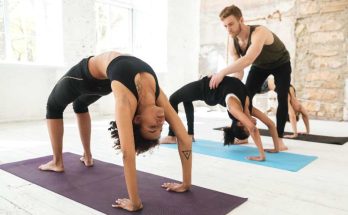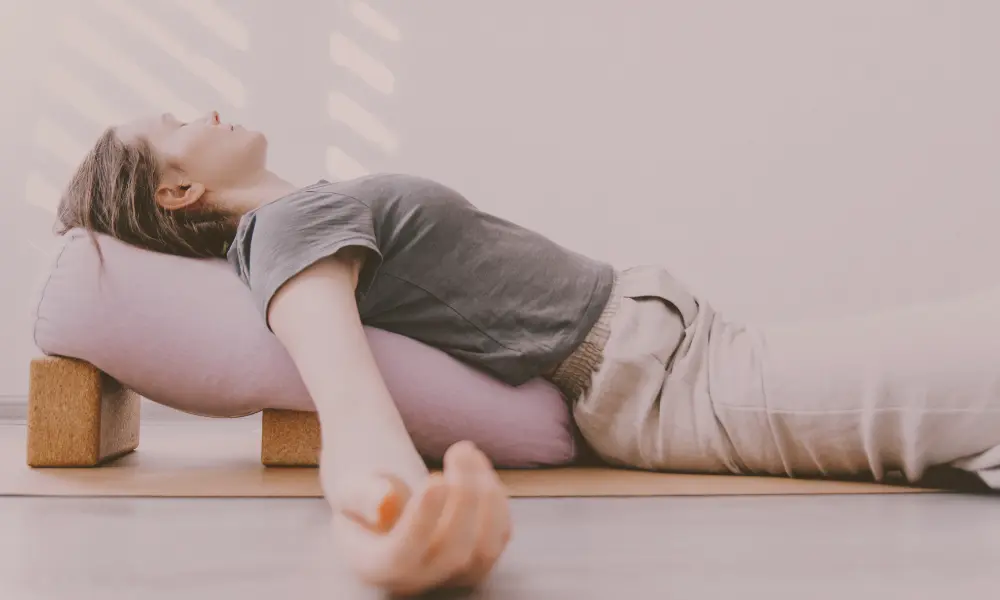
Workplace stress has shifted from being an occasional challenge to a persistent reality. In high-performing urban environments like Singapore, long working hours, constant digital connectivity, and rising expectations have created a workforce that is mentally engaged but physically and emotionally depleted. Many organisations have introduced wellness initiatives, yet burnout rates continue to rise. This has led companies to reassess not just what wellness looks like, but how recovery is supported. Increasingly, yin yoga is emerging as a meaningful solution within corporate wellness strategies.
Unlike fitness-driven programmes, Yin Yoga addresses burnout at a physiological and neurological level. It does not aim to boost output directly. Instead, it restores the systems that make sustainable performance possible.
Understanding Burnout as a Systemic Issue
Burnout is often misunderstood as a lack of motivation or resilience. In reality, it is a state of nervous system exhaustion caused by prolonged exposure to stress without adequate recovery.
Common workplace contributors include:
-
Continuous deadlines without recovery cycles
-
Long screen exposure and sedentary posture
-
Pressure to remain constantly available
-
Lack of mental boundaries between work and personal life
-
High cognitive load with limited emotional processing
When these patterns persist, traditional wellness solutions like gym memberships or motivational talks often fail to create meaningful change.
Why Physical Activity Alone Does Not Prevent Burnout
Many corporate wellness programmes focus on movement as a way to counter stress. While exercise is beneficial, high-intensity or performance-based activity can sometimes add to nervous system load rather than reduce it.
Employees already operating under pressure may experience:
-
Increased fatigue after intense workouts
-
Difficulty committing to demanding fitness routines
-
A sense of obligation rather than relief
Burnout prevention requires practices that downshift the nervous system, not stimulate it further. This is where Yin Yoga fills a critical gap.
Yin Yoga as a Recovery-Based Workplace Tool
Yin Yoga is uniquely suited to corporate environments because it prioritises recovery, regulation, and restoration. It works with the body rather than pushing it.
Key characteristics that make Yin Yoga effective in workplaces include:
-
Low physical demand, making it accessible to diverse employees
-
Emphasis on stillness and breath, supporting mental decompression
-
Gentle postures that counter prolonged sitting
-
Nervous system regulation rather than performance outcomes
This makes Yin Yoga inclusive, adaptable, and sustainable within professional settings.
Nervous System Regulation and Workplace Performance
The ability to focus, make decisions, and communicate effectively depends on nervous system balance. When employees operate in a constant state of stress, cognitive clarity declines even if productivity appears high on the surface.
Yin Yoga supports workplace performance indirectly by:
-
Reducing chronic stress responses
-
Improving emotional regulation
-
Supporting mental clarity and focus
-
Enhancing sleep quality, which affects work capacity
Rather than pushing employees to do more, it allows them to function better within existing demands.
Addressing Sedentary Work Patterns Through Stillness
Sedentary work creates physical strain that often goes unnoticed until discomfort becomes chronic. Tight hips, compressed spines, and restricted shoulders are common among office-based employees.
Yin Yoga counteracts these patterns by:
-
Releasing connective tissues affected by prolonged sitting
-
Improving circulation to underused areas
-
Encouraging awareness of posture and tension
-
Reducing musculoskeletal discomfort without strain
This physical relief often translates into improved comfort and reduced absenteeism.
Psychological Safety and Emotional Processing
Burnout is not purely physical. Emotional fatigue plays a significant role, particularly in high-responsibility roles. Yin Yoga creates space for emotional regulation without requiring discussion or disclosure.
Within a corporate context, this is valuable because:
-
It respects personal boundaries
-
It does not rely on verbal processing
-
It supports emotional awareness privately
-
It normalises rest without stigma
Employees can engage with the practice at their own pace, reducing resistance and discomfort.
Integrating Yin Yoga Into Corporate Wellness Structures
Yin Yoga is flexible in how it can be implemented. It does not require specialised equipment or extensive time commitments.
Common integration models include:
-
Weekly or fortnightly on-site sessions
-
Virtual sessions for hybrid teams
-
End-of-day classes to support transition from work to personal time
-
Short restorative sessions during high-pressure periods
Because Yin Yoga focuses on recovery, it complements existing wellness offerings rather than replacing them.
Measuring the Impact Beyond Traditional Metrics
Corporate wellness is often evaluated through participation rates or short-term engagement. Yin Yoga’s benefits are more subtle and cumulative.
Indicators of impact may include:
-
Improved employee feedback on stress management
-
Reduced reports of physical discomfort
-
Enhanced engagement during working hours
-
Improved retention and job satisfaction
-
Better work-life boundaries
These outcomes reflect sustainable wellbeing rather than temporary motivation.
Leadership Adoption and Cultural Influence
Wellness initiatives are more effective when leadership participates. Yin Yoga’s accessible nature makes it suitable for leaders who may not engage with traditional fitness programmes.
When leaders model recovery-based practices:
-
It signals permission to rest
-
It reduces stigma around stress
-
It encourages healthier work boundaries
-
It supports a culture of sustainability rather than exhaustion
This cultural shift is essential for long-term burnout prevention.
Supporting Hybrid and Remote Workforces
Remote work has blurred boundaries between professional and personal life. Without physical transitions, many employees struggle to disengage from work.
Yin Yoga supports remote teams by:
-
Creating intentional pauses in the workday
-
Supporting physical movement in limited spaces
-
Encouraging mental separation from work tasks
-
Reinforcing routine and self-care
This makes it especially relevant in modern, flexible work environments.
Cost-Effective and Scalable Wellness Support
From a business perspective, Yin Yoga offers practical advantages. It requires minimal infrastructure and can be scaled across teams and locations.
Benefits include:
-
Low implementation costs
-
High accessibility
-
Adaptability to different schedules
-
Long-term wellbeing impact
This makes it a viable option for organisations of varying sizes.
Aligning Corporate Values With Employee Wellbeing
Wellness initiatives reflect organisational values. Practices that prioritise recovery demonstrate a commitment to employee health beyond surface-level engagement.
Studios such as Yoga Edition support this philosophy by offering structured, recovery-focused practices that align with professional lifestyles rather than competing with them.
Long-Term Benefits for Organisations
When Yin Yoga becomes part of a broader wellness strategy, organisations may experience:
-
Reduced burnout-related turnover
-
Improved morale and engagement
-
Healthier workplace culture
-
More sustainable performance levels
These outcomes support business resilience in competitive environments.
FAQs
Q: Is Yin Yoga suitable for employees with no yoga experience?
A: Yes. Yin Yoga is accessible because it focuses on stillness and comfort rather than complex movements or strength.
Q: How does Yin Yoga differ from stretching sessions offered at work?
A: Yin Yoga targets connective tissues and nervous system regulation through long-held postures, rather than focusing on muscle flexibility alone.
Q: Can Yin Yoga help reduce workplace stress without impacting productivity?
A: Yes. By supporting nervous system recovery, Yin Yoga often improves focus and emotional regulation, which supports productivity indirectly.
Q: Is Yin Yoga appropriate for virtual corporate wellness programmes?
A: Yes. Yin Yoga adapts well to virtual formats due to minimal space and equipment requirements.
Q: How frequently should Yin Yoga be offered in a corporate setting?
A: One to two sessions per week can provide meaningful benefits, especially during high-stress periods.